Average Times a Baby Wakes Up During the Night
Most parents worry nigh their child's sleep at some point. If yous observe yourself worrying if your baby's sleep is normal or if yous are doing enough to back up good for you slumber patterns, you are in practiced company. It tin be hard to know what healthy sleep patterns even are at each age. Especially since cultural bias and opinions are more than prevalent than evidence-based data. This article volition cover healthy and developmentally appropriate sleep expectations for infants and toddlers by age.
Below is an outline of realistic expectations for your child'south sleep in the first v years. I first wrote this guide in 2018, and I'thousand revisiting it again to better and update the data. I hope you notice it helpful!
This is a guide, not a goal. Retrieve the all-time fashion to tell if your babe or toddler is getting enough slumber is to await at them. Their behavior and general mood are expert places to starting time. There is a wide range of normal, and your child volition help y'all know the right amount of sleep for them.
Need some 1:one help with slumber instead? Reach out to set upward a consultation.
Relevant Context: What to know about we we really know nearly sleep
***Skip ahead if you are besides tired for this function!***
Our culture perpetuates a lot of unrealistic expectations around sleep. When we strive to run into unrealistic expectations, nosotros often feel stress, guilt, and fifty-fifty failure when we ultimately tin't. Understanding normal sleep at dissimilar ages can gratis you to work with your child'southward needs rather than struggle to shape their sleep into something developmentally inappropriate.
Show on Wake Windows and Slumber Timings past Historic period
Information technology'southward of import to know where we have high quality bear witness, and where nosotros don't. While we have a skilful evidence-base on total sleep in 24 hours, testify is less strong or completely defective on other measures including awake windows, ideal nap length, or even the concept of sleep regressions. I've listed mutual ranges for awake windows and ages where slumber can get disrupted, merely accept them as an experience-based guide, non hard science. Only apply them if they decrease your stress, not add to it!
This guide will become over general guidance and sleep needed in a 24 hour period. Only, it won't cover strict schedules or specific timings. For more guidance on slumber schedules, head to my blog on schedules vs. routines.
When volition my baby sleep through the nighttime?
The age when your baby/toddler/preschooler begins routinely sleeping for long stretches without need for you lot varies greatly. The nighttime sleep ranges provided consider some nighttime waking for feeding and soothing.
Temperament and household patterns volition also touch on your child's slumber patterns. Some babies need much more sleep than others, nap more or less than average, go to bed early/afterward than is typical, and demand more or less parental support at night. Your family's daily patterns, sibling sleep patterns, and cultural practices can touch on your child's slumber patterns.
Some wiggle room on either side of these typical sleep numbers may be fine for your piddling ane, and in fact the National Sleep Foundation (NSF) specifically recognizes a "may be advisable" category which broadens their recommended sleep ranges by several hours. If your little 1 seems to exist doing well, it's not something to stress about. If your kid's sleep patterns are problematic for your family, yet, sleep totals exterior of what's expected may be a helpful slice of the puzzle.
Again, I'd similar to stress there is a wide range of normal. Watch your little i and apply numbers equally a rough guide. Your intuition ever takes priority.

Age Appropriate Slumber Expectations for Infants and Toddlers Overview
Many parents have burning questions well-nigh slumber. This is normal! This nautical chart is a great reference to offset with, if you have whatsoever of the beneath questions.
-
How much sleep does my infant need?
-
What are appropriate wake windows at this age?
-
How many naps does my 6 month old need?
-
Should my toddler notwithstanding exist napping?
| Age | Typical amount of slumber in 24 hours | Boilerplate nighttime sleep | Average daytime slumber | Typical awake fourth dimension | Naps |
| 0-6 weeks | 14-17 hours | Varies | Varies | 30-90 minutes | Slumber spread evenly throughout day and night |
| 6-12 weeks | fourteen-17 hours | Varies | Varies | sixty-ninety minutes | Many throughout the twenty-four hour period |
| iii-6 months | 13-15 hours | 9-ten hours | 4-v hours | i.5-2.5 hours | Ofttimes four, possibly more than at 3 months, perchance 3 past 6 months |
| 6-9 months | 12-15 hours | x-11 hours | 3-4 hours | 2-3.five hours | 3, dropping to two around eight-9 months |
| nine-12 months | 12-fourteen hours | 10-11 hours | 2-three hours | 3-4 hours | 2 morning and mid afternoon |
| 12-16 months | 11-14 hours | 10-11 hours | two-three hours | iii.v-4.5 hours | 2 |
| sixteen-24 months | 11-14 hours | x-11 hours | 2-3 hours | iv-6 hours | ane |
| 2-2.5 years | 11-14 hours | ten-12 hours | 1-ii hours | 5-seven hours | ane |
| ii.5-3 years | 11-14 hours | x-12 hours | 0-2 hours | six hours to all day | ane to none |
| iii-5 years | 10-13 hours | x-xiii hours | Decreasing need for daytime slumber | half-dozen hours to all day | Finish at some indicate |
Developmentally Normal Slumber by Age
Below is a breakdown of normal sleep by age. Each section shares information to assist you have realistic expectations for your child's sleep.
Sleep for Newborn, 0-12 weeks
Recommended sleep in 24 hours: 14-17 (NSF, 2015)
Typical awake time: xxx-90 minutes
Challenging sleep time: baby's second night later on birth and the period known every bit the 4th trimester (0-3 months)
Notes on normal sleep for newborns and infants:
-
Babies usually take a few alert hours after nascence followed past a longer menstruation of sleep
-
Many babies are sleepy over the commencement 24 hours or then.
-
The second night later on nativity many babies are very wakeful and want very frequent feeding.
-
Slumber is spread beyond 24 hours in the early weeks meaning that newborns slumber roughly as much during the day equally they do at night.
-
The first few months are known as the 4th trimester.
-
Infant thrives when the womb similar environment is replicated.
-
Baby does non want to exist put down, and supporting this contact has many benefits
-
Infant usually sleeps best in arms or worn in a babe carrier.
-
Baby does not have an established circadian rhythm, so they don't know the difference between dark and day.
-
You can use social cues to help differentiate day and nighttime by keeping daytime lite and with normal sound while nighttime is dark and placidity.
-
Sleep cycles are brusk, with half of a newborn'southward sleep bicycle spent in REM sleep.
-
Baby needs frequent cue-based feeding day and dark.
-
Slumber is irregular, and trying to force a sleep schedule is probable to crusade stress. Learning and following your babe'southward cues is important.
-
Nursing to sleep is normal, healthy, and a swell tool.

Slumber for 3 Month Olds:
Recommended sleep in 24 hours: 14-17 hours (NSF, 2015)
Average night slumber: 9-10 hours (Paavonen et al., 2020, Mindell et al., 2010)
Average day sleep: iv-v hours, often four or more naps (Paavonen et al., 2020, Mindell et al., 2010)
Typical awake time: 1-2 hours
Notes normal sleep for three calendar month olds:
-
According to a large report the majority of iii calendar month sometime babies wake on boilerplate ii.2 times a dark. Only 16.five% of babies slept through the nighttime (Paavonen et al., 2020)
-
Circadian rhythm (body clock) starts to emerge.
-
Regular night waking and feeding is normal and healthy, although longer sleep stretches of iv-6 hours at night are common.
-
Baby may have 4 or more than distinct naps during this time.
-
Short naps, contact naps, movement naps, and nursing to sleep are all normal.
Sleep changes at 4-5 Months:
Recommended sleep in 24 hours: 12-xv (NSF, 2015)
Typical sleep in 24 hours: 13-15 hours
Boilerplate night slumber: 9-ten hours (Paavonen et al., 2020, Mindell et al., 2010)
Average day sleep: 4 hours spread over three-iv naps (Paavonen et al., 2020, Mindell et al., 2010)
Typical awake fourth dimension: 1.5-2.5 hours
Challenging sleep time: around iv-months, oft referred to every bit the four-month slumber regression
Notes on baby slumber at 4-5 months:
-
More than frequent nighttime waking due to developmental leaps.
-
Night feedings are of import and common, and they do non point readiness for solids.
-
Feeding to sleep is normal, good for you, and a developmentally appropriate tool.
-
Baby may drop from four to iii naps during this time.
-
Distractibility is a common struggle with both feeding and slumber.
-
Short naps, contact naps, and motion naps are all normal.
-
Many babies yet take irregular slumber patterns.

6-9 Months Slumber Needs:
Recommended slumber in 24 hours: 12-xv (NSF, 2015)
Average night slumber: 10-11 hours (Paavonen et al., 2020, Mindell et al., 2010)
Average twenty-four hour period sleep: 3-4 hours spread over ii-3 naps (Paavonen et al., 2020, Mindell et al., 2010)
Typical awake time: 2-3.5 hours
Challenging sleep fourth dimension: around 9-months, often referred to as the 9-calendar month sleep regression
Notes on sleep at vi-ix months old:
-
6 months is the earliest age babies should sleep in their own room for SIDS reasons according to the AAP safe sleep guidelines.
-
Commonly infant drops from three to 2 naps during this time.
-
Night awakenings are normal: 6-Calendar month-old babies wake on average ii.5 times a dark and eight-month-former babies 2.4 times (Paavonen et al., 2020). 6-12-month-erstwhile babies wake on boilerplate one.76 times a night (Brown & Harries, 2015). At 6 months, 69,5% of babies have nightly awakenings (Hysing et al, 2014).
-
half-dozen-12-month-sometime babies feed on boilerplate i.four times a night (Brown & Harries, 2015). Breastfed babies fed more than overnight in this written report, but there were no differences in waking patterns between breastfed and formula fed babies.
-
Merely 22.3% of 8-month-olds slept through the nighttime in a large study (Paavonen et al. 2020)
-
Most babies need parental support to fall back asleep.
-
More frequent night waking and need for parental contact is normal effectually eight-9 months.
-
Separation feet plays a fundamental role in babe'southward behavior and can peak around 8-10 months.
-
Night feeds are however important for evolution for most babies. For babies too distracted during the day to feed well, night feeds can be an important part of over-all intake.
-
Developmental milestones make for decorated brains at nighttime consolidating learning and building neuro connections for the many new skills. This tin atomic number 82 to increased waking.
-
Short naps, contact naps, motion naps, and nursing to slumber are all normal
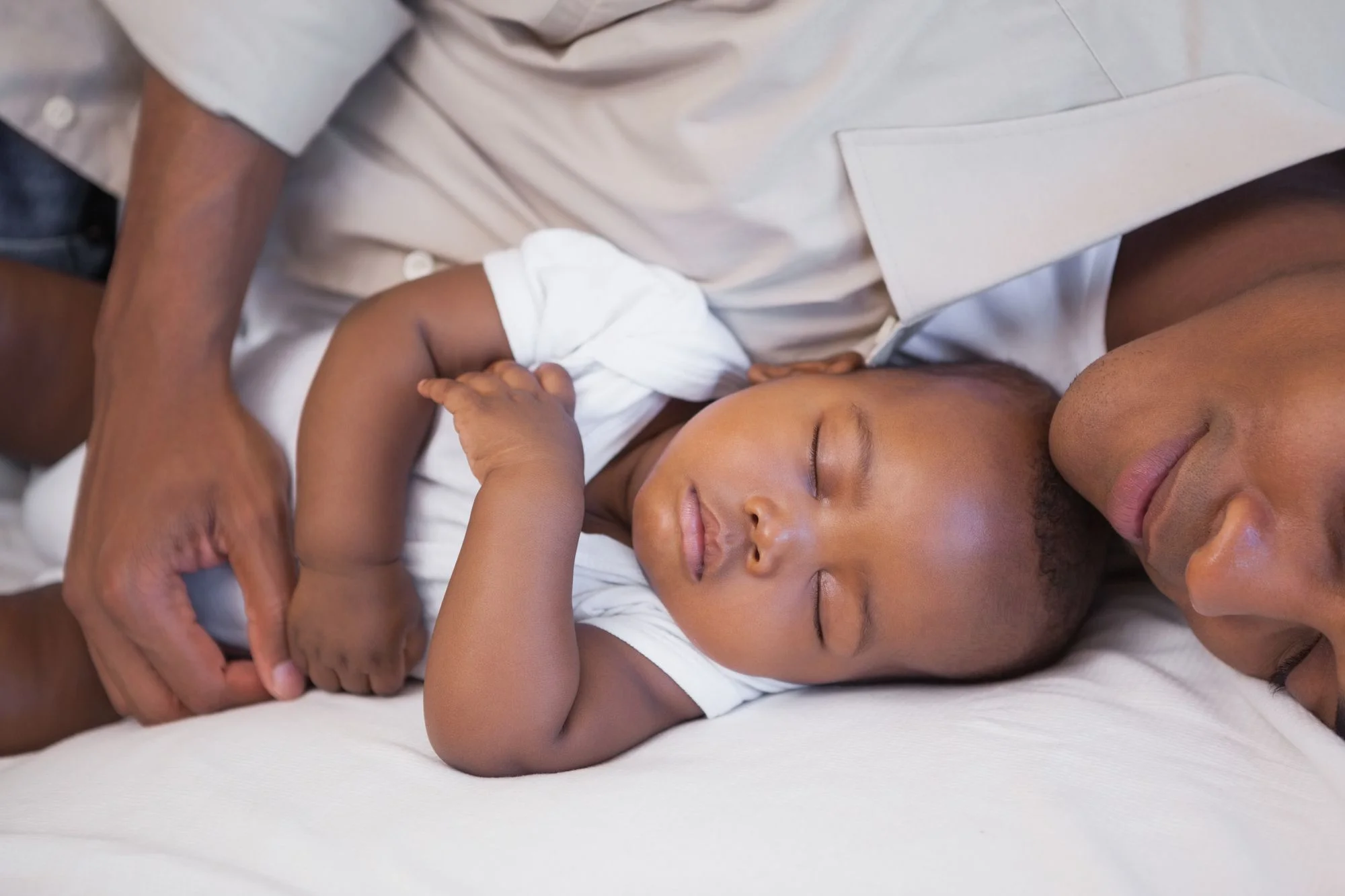
nine-12 Month Infant Sleep Schedule:
Recommended sleep in 24 hours: 12-15 (NSF, 2015)
Typical slumber in 24 hours: 12-14 hours
Average night sleep: 10-xi hours (Paavonen et al., 2020, Mindell et al., 2010)
Average day sleep: 2-three hours spread over 2 naps (Paavonen et al., 2020, Mindell et al., 2010)
Typical awake time: 3-iv hours
Notes on infant slumber at 9-12 months:
-
Several night feeds and several night wakes are both still normal.
-
6-12-month-old babies wake on average 1.76 times and feed on boilerplate one.4 times a night (Brown & Harries, 2015).
-
It's normal to need parental support to fall asleep, even every bit an older babe.
-
Separation anxiety continues to play a key part in babe'southward behavior and can peak effectually 8-10 months.
-
Some previously short napping babies lengthen their naps one time on ii naps a day, simply brusk naps can nevertheless be normal.
-
Contact naps, motion naps, and feeding to sleep are all normal.

Sleep for 12-16 Month Toddlers:
Recommended slumber in 24 hours: xi-fourteen hours (NSF, 2015)
Average night sleep: 10-11 hours (Paavonen et al., 2020, Mindell et al., 2010)
Boilerplate day sleep: 2-3 hours spread over 2 naps (Paavonen et al., 2020, Mindell et al., 2010)
Typical awake time: 3.5-4.5 hours
Toddlers withal wake in the night! This is normal and good for you
Notes on sleep for 12 to 16 month olds, or one year olds:
-
Toddler may accept an increased ability to transition betwixt slumber cycles without parental support.
-
Night awakenings are normal: 12-Calendar month-old babies wake on boilerplate ane.eight times a night (Paavonen et al., 2020).
-
Many young toddlers withal feed at night, especially nursing toddlers.
-
If you lot are considering night weaning, it is easier the closer you get to 18 months due to your toddlers increasing linguistic communication capabilities.
-
Dark weaning is not necessary, even so, and nighttime feeds are nevertheless normal and mutual.
-
Middle of the night/very early on morn wakefulness for an hour or ii is a mutual struggle.
-
Finding the right fourth dimension to drop from ii naps to 1 nap can be tricky, especially when a child's readiness for ane nap may non lucifer childcares ideas effectually napping.
-
Short naps, contact naps, motion naps, and nursing to sleep are all nonetheless normal.
-
Enough movement, outside time, control in life, and connection with parents all touch sleep.
Sleep for 16-24 Month Toddlers:
Recommended sleep in 24 hours: 11-14 hours (NSF, 2015)
Average night sleep: 10-xi hours (Paavonen et al., 2020, Mindell et al., 2010)
Average day sleep: 2-3 hours in i nap (Paavonen et al., 2020, Mindell et al., 2010)
Typical awake time: 4-half dozen hours
Challenging sleep time: around xviii-months
Notes on sleep for 16 to 24 calendar month olds
-
One large study reported 26.6% of toddlers had nightly awakenings at 18 months (Hysing et al., 2014).
-
Some other large study plant the average number of wakes in 18-calendar month olds was one.1 per night, meaning a good number of toddlers were waking more while others were sleeping through the dark (Paavonen et al., 2020).
-
18 months is normally the earliest gentle parenting professionals recommend night weaning.
-
Many parents and toddlers keep nursing to sleep and dark feeds, and this is normal. You practise not need to night wean if breastfeeding at night works for y'all.
-
Nursing or not, many toddlers even so wake at night as outlined above.
-
Effectually 16 months is frequently when many children drop to ane nap, but it varies.
-
Enough move, outside fourth dimension, control in life, and connectedness with parents all affect sleep.
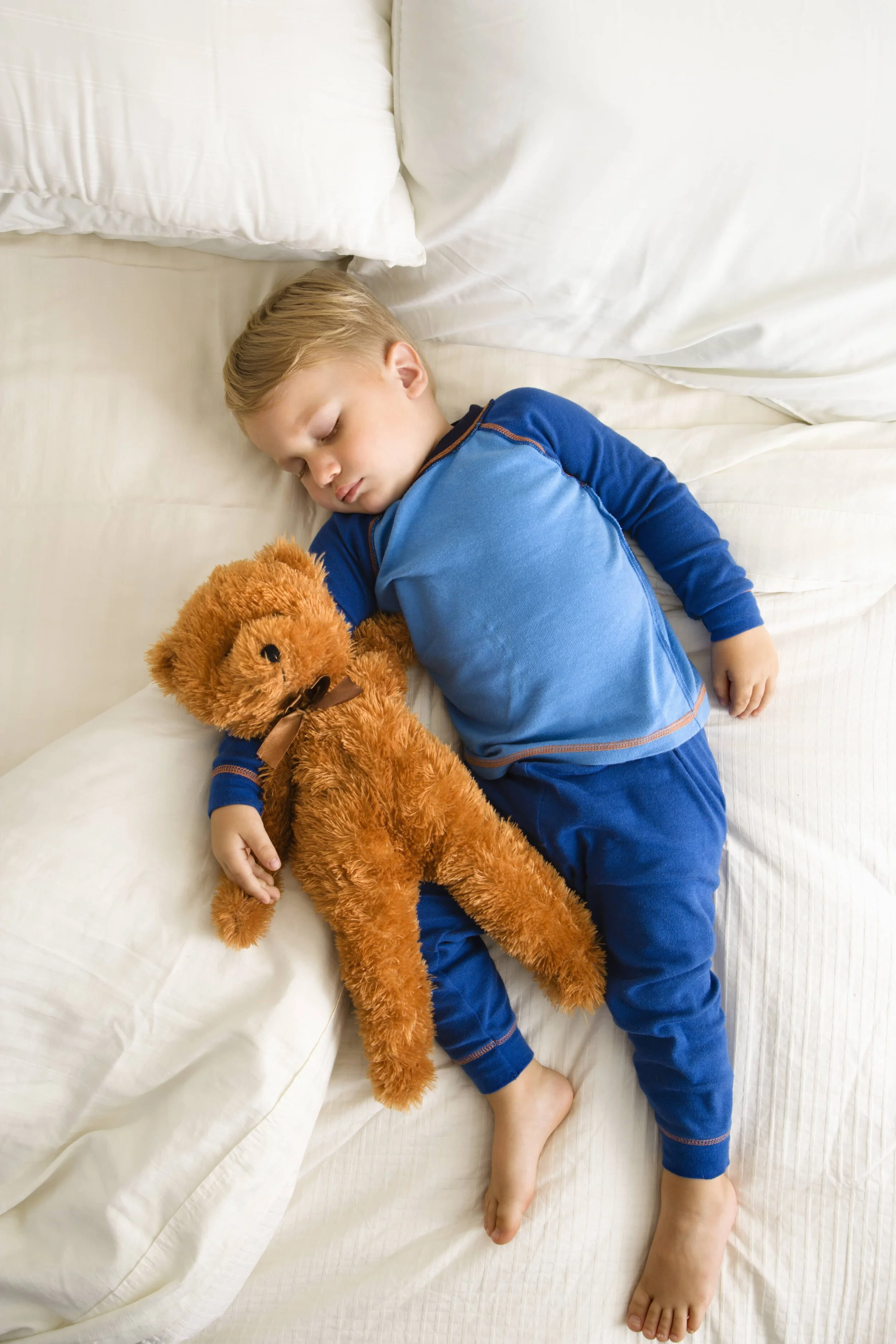
Normal Slumber for Ii Year Olds
Recommended slumber in 24 hours: xi-14 hours (NSF, 2015)
Boilerplate night sleep: ten-12 hours (Paavonen et al., 2020, Mindell et al., 2010)
Boilerplate day sleep: 1-2 hours in 1 nap (Paavonen et al., 2020, Mindell et al., 2010)
Typical awake time: 5-seven hours
Challenging sleep time: ii years and ii ½ years
Notes on sleep for 2 yr olds:
-
Between ii-3, toddlers may exist more probable to slumber all nighttime without parent support.
-
According to i big study 28.4% of two-year-olds had frequent night awakenings (Paavonen et al. 2020). 24-calendar month-erstwhile babies still wake on average 0.nine times a night (Paavonen et al., 2020).
-
Night waking is still normal, peculiarly if nursing and or bedsharing (likely our biological norm).
-
It's normal to still breastfeed to sleep or nurse at night if you desire to keep.
-
Toddler may driblet the nap after the age of 2.five or may proceed napping into the preschool years.
-
Sleep is linked to behavior and life transitions. Potty training, new siblings, and starting preschool can all disrupt sleep.
-
Plenty motion, outside time, control in life, and connection with parents all affect slumber.

Developmentally Appropriate Sleep for Toddlers iii to v Years Onetime
Recommended slumber in 24 hours: 10-13 hours (NSF, 2015)
Boilerplate night sleep: 10-xiii hours
Boilerplate twenty-four hour period sleep: naps stop at some point
Typical awake fourth dimension: half-dozen hours to all day
Notes on sleep for 3-5 year olds:
-
Power for nighttime potty training starts to emerge, just bed wetting is nonetheless common until seven.
-
Child will drop the nap at some point during this fourth dimension.
-
This is a mutual age for nighttime terrors and nightmares.
-
Potty training, new siblings, and starting preschool can all disrupt sleep.
-
While sleep may exist less intense than the babe and toddler years, waking and sleep struggles still happen.
-
Enough movement, exterior time, command in life, and connexion with parents all affect slumber.
-
Quiet time may be a good nap replacement.
Click below if you would like support during any of these developmental phases!
References
Brown, A., & Harries, V. (2015). Infant Sleep and Nighttime Feeding Patterns During Afterwards Infancy: Association with Breastfeeding Frequency, Daytime, Complementary Food Intake, and Infant Weight. Breastfeeding Medicine, 246-252.
Hirshkowitz PhD, Yard., Whiton MHS, K., Albert PhD, Due south. Chiliad., Alessi MD, C., Bruni Doctor, O., DonCarlos PhD, 50., . . . Adams Hillard Md, P. J. (2015). National Slumber Foundation'south slumber time elapsing recommendations: methodology and results summary. Sleep Health, forty-43.
Hysing PhD, M., Harvey PhD, A. 1000., Torgersen PhD, L., Ystrom PhD, E., Reichborn-Kjennerud PhD, T., & Sivertsen PhD, B. (2014). Trajectories and Predictors of Nocturnal Awakenings and Sleep Duration in Infants. Developmental & Behavioral Pediatrics, 309-316.
Mindell, J. A., Sadeh, A., Wiegand, B., How, T. H., & Goh, D. Y. (2010). Cross-cultural differences in infant and toddler sleep. Sleep Medicine, 274–280.
National Slumber Foundation. (2015, February 2). National Sleep Foundation Recommends New Sleep Times. Retrieved from SleepFoundation.org: https://www.sleepfoundation.org/printing-release/national-slumber-foundation-recommends-new-slumber-times
Paavonen, E. J., Saarenpaa-Heikkila, O., Morales-Munoz, I., Virta, M., Hakala, Northward., Polkki, P., . . . Karlsson, Fifty. (2020). Normal slumber development in infants: findings from two large birth cohorts. Sleep Medicine, 145-154.
johnsonapphimarly.blogspot.com
Source: https://intuitiveparentingdc.com/blog/2018/7/6/developmentally-appropriate-sleep-expectations-birth-to-age-5
0 Response to "Average Times a Baby Wakes Up During the Night"
Post a Comment